Commercial Metal Recycling: A Smart Solution for Businesses and the Environment
 kevin1
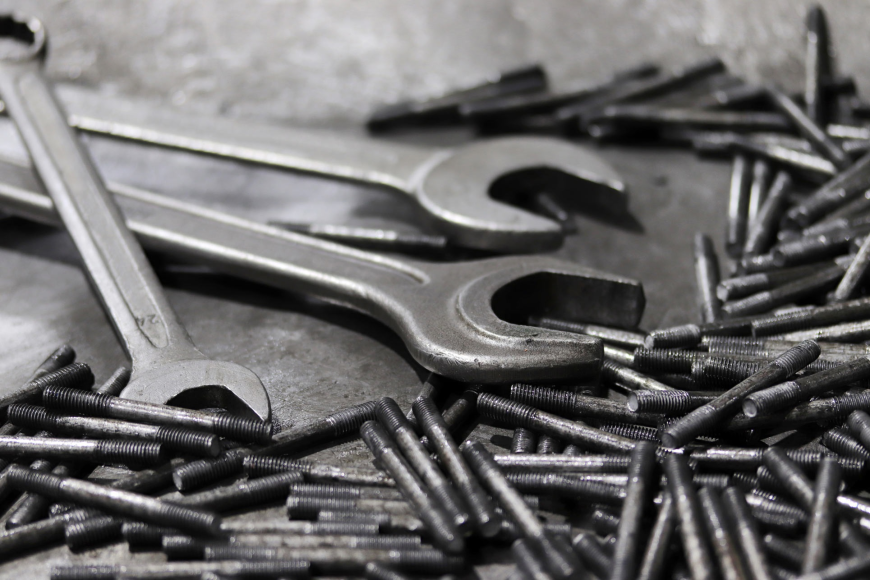
In today’s fast-paced industrial world, businesses are constantly looking for ways to reduce costs, improve efficiency, and meet sustainability goals. One powerful yet often overlooked strategy is Commercial Metal Recycling. From manufacturing plants to construction companies, organizations generate large amounts of metal waste every day. Instead of letting these valuable materials go to landfills, recycling them can create both economic and environmental benefits. By adopting smarter recycling practices, businesses can turn waste into opportunity while contributing to a cleaner, greener future.
Understanding the Value of Metal Waste
Metal is one of the few materials that can be recycled repeatedly without losing its properties. This makes it incredibly valuable in commercial settings. Common recyclable metals include steel, aluminum, copper, and brass—materials widely used in machinery, building structures, and electrical systems. When these metals are discarded, they still retain significant worth. Recycling facilities process and refine them, allowing them to be reused in new products without the need for extensive mining or raw material extraction.
For businesses, this means that what appears to be scrap can actually become a revenue stream. Instead of paying for waste disposal, companies can sell their metal waste to recycling providers, turning a liability into profit.
Environmental Benefits That Matter
One of the biggest advantages of commercial recycling efforts is their positive environmental impact. Mining and refining new metals require massive amounts of energy and natural resources. Recycling, on the other hand, uses significantly less energy and reduces greenhouse gas emissions.
For example, recycling aluminum saves up to 95% of the energy needed to produce it from raw materials. Similarly, recycling steel conserves iron ore, coal, and water. By participating in responsible recycling programs, businesses can lower their carbon footprint and support global sustainability initiatives.
Moreover, reducing landfill waste helps prevent soil and water contamination. Metals that are improperly disposed of can release harmful substances into the environment over time. Recycling ensures these materials are safely processed and reused instead of becoming long-term pollutants.
Cost Savings and Operational Efficiency
Implementing an effective recycling system can also streamline business operations. Many companies generate consistent metal waste from production processes, renovations, or equipment upgrades. Without a proper system, this waste can accumulate quickly, taking up valuable space and increasing disposal costs.
Working with a professional recycling partner helps businesses manage this waste efficiently. Regular pickups, organized sorting systems, and clear recycling procedures can reduce clutter and improve workplace safety. Additionally, companies may benefit from reduced hauling fees and potential tax incentives for adopting environmentally responsible practices.
In industries where margins are tight, these savings can make a meaningful difference. Over time, even small improvements in waste management can lead to significant financial gains.
Practical Applications Across Industries
Commercial metal recycling is not limited to a single sector. It plays a crucial role across various industries:
- Construction and Demolition: Old pipes, beams, and wiring can be recycled after projects are completed.
- Manufacturing: Scrap metal generated during production can be collected and reused.
- Automotive: Damaged or outdated vehicle parts are valuable sources of recyclable metal.
- Retail and Warehousing: Shelving, fixtures, and packaging materials often contain recyclable metals.
Each of these industries can benefit from structured recycling programs that reduce waste and maximize resource utilization.
Building a Sustainable Business Reputation
Today’s consumers and partners increasingly value companies that demonstrate environmental responsibility. Adopting Commercial Metal Recycling practices can enhance a company’s reputation and align it with modern sustainability standards.
Businesses that actively recycle often find it easier to meet regulatory requirements and industry certifications. Additionally, promoting recycling efforts can strengthen brand image, attract eco-conscious clients, and even open doors to new partnerships.
Transparency is key—companies that track and report their recycling efforts show accountability and commitment to sustainable operations.
Conclusion
Commercial metal recycling is more than just a waste management strategy—it’s a smart business decision with far-reaching benefits. By transforming scrap into valuable resources, companies can reduce costs, improve efficiency, and contribute to environmental preservation. From lowering energy consumption to enhancing corporate reputation, the advantages are clear and impactful.
As industries continue to evolve, sustainability is no longer optional—it’s essential. Businesses that embrace recycling today are better positioned for long-term success tomorrow. By integrating thoughtful recycling practices into daily operations, organizations can play a meaningful role in building a more sustainable and resource-efficient world.