Business Equipment Loans for Startups: What You Need to Know
 lucky08
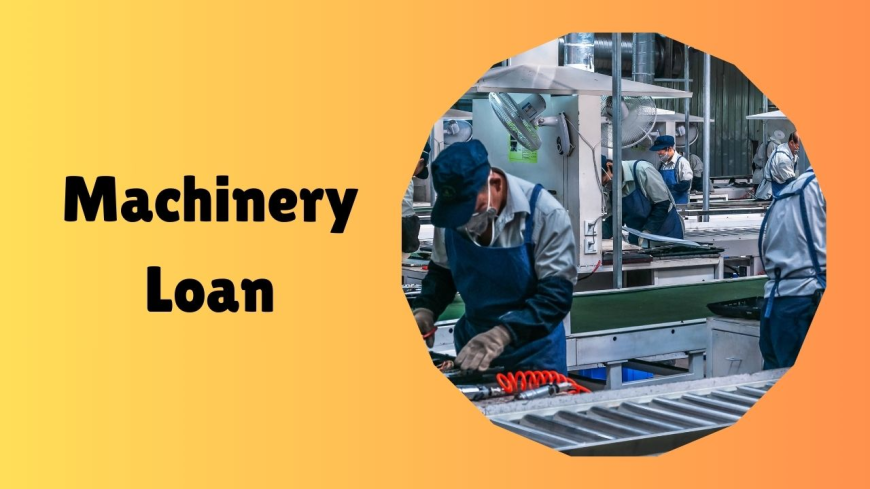
Starting a business comes with many challenges, and one of the biggest is acquiring the right equipment. Whether it's computers, machinery, delivery vehicles, or specialized tools, equipment is often essential to your startup’s operations.
But buying everything outright can quickly drain your capital. That’s where business equipment loans come in — a practical financing option that helps startups get the tools they need without breaking the bank.
In this blog, we’ll explore what business equipment loans are, how they work, their benefits, and what startups should consider before applying.
What Is a Business Equipment Loan?
A business equipment loan is a type of financing designed specifically for purchasing equipment necessary for your operations. These loans can be used to acquire a wide range of items, such as:
- Office furniture and technology
- Manufacturing or industrial machinery
- Commercial vehicles
- Kitchen or restaurant equipment
- Medical devices
Unlike general-purpose loans, equipment loans are secured by the equipment itself. This means the item you’re buying acts as collateral, reducing the lender’s risk and potentially making it easier to qualify — even for new businesses.
How Do Equipment Loans Work for Startups?
Here's a breakdown of the typical process:
- Loan Application: Startups apply with details about the equipment they wish to purchase and basic financial information.
- Approval: Lenders review your creditworthiness, business plan, and equipment details.
- Disbursement: Once approved, funds are either disbursed directly to you or paid to the equipment vendor.
- Repayment: You repay the loan in fixed installments over a set term, typically 1 to 5 years.
If the loan is not repaid, the lender may repossess the equipment to recover losses.
Benefits of Business Equipment Loans for Startups
Preserve Cash Flow
Instead of paying a large upfront sum, startups can spread the cost of expensive equipment over time, preserving working capital for other expenses.
Easier Approval
Because the equipment serves as collateral, lenders are often more flexible, making it easier for startups with limited credit history to get approved.
Tax Advantages
Equipment loans may offer tax deductions on interest and depreciation. Always consult a tax advisor to understand what applies to your situation.
Ownership
Unlike leasing, loans typically result in ownership of the equipment once the loan is fully repaid — a long-term asset for your business.
Things to Consider Before Applying
Know Your Financials
Even though lenders may be lenient, they still want assurance that your startup can handle the loan repayments. Prepare your business plan, cash flow projections, and a breakdown of how the equipment will help generate revenue.
Equipment Value & Lifespan
Only finance equipment that has a long-term value and will support your business over time. Avoid borrowing for tech or tools that will become obsolete quickly unless essential.
Interest Rates & Terms
Compare lenders to find the best rates and terms. Some loans may have hidden fees or early repayment penalties — always read the fine print.
Explore Lender Options
From banks and credit unions to online lenders and NBFCs like My Mudra, various institutions offer equipment loans tailored for startups. Online platforms often provide faster approvals and less paperwork.
Is an Equipment Loan Right for Your Startup?
If your startup depends on specific tools or machines to operate efficiently, an equipment loan can be a smart way to access the assets you need without stalling growth. It’s especially useful for cash-strapped new businesses that want to build equity while managing expenses.
Final Thoughts
Business equipment loans offer startups a practical, accessible way to invest in the tools that power success. By choosing the right lender and understanding your financial position, you can secure the equipment you need and set your business up for sustainable growth.