Best Star Projector Night Lamps for Kids' Bedrooms in 2026 (Buying Guide)
 Auteeze
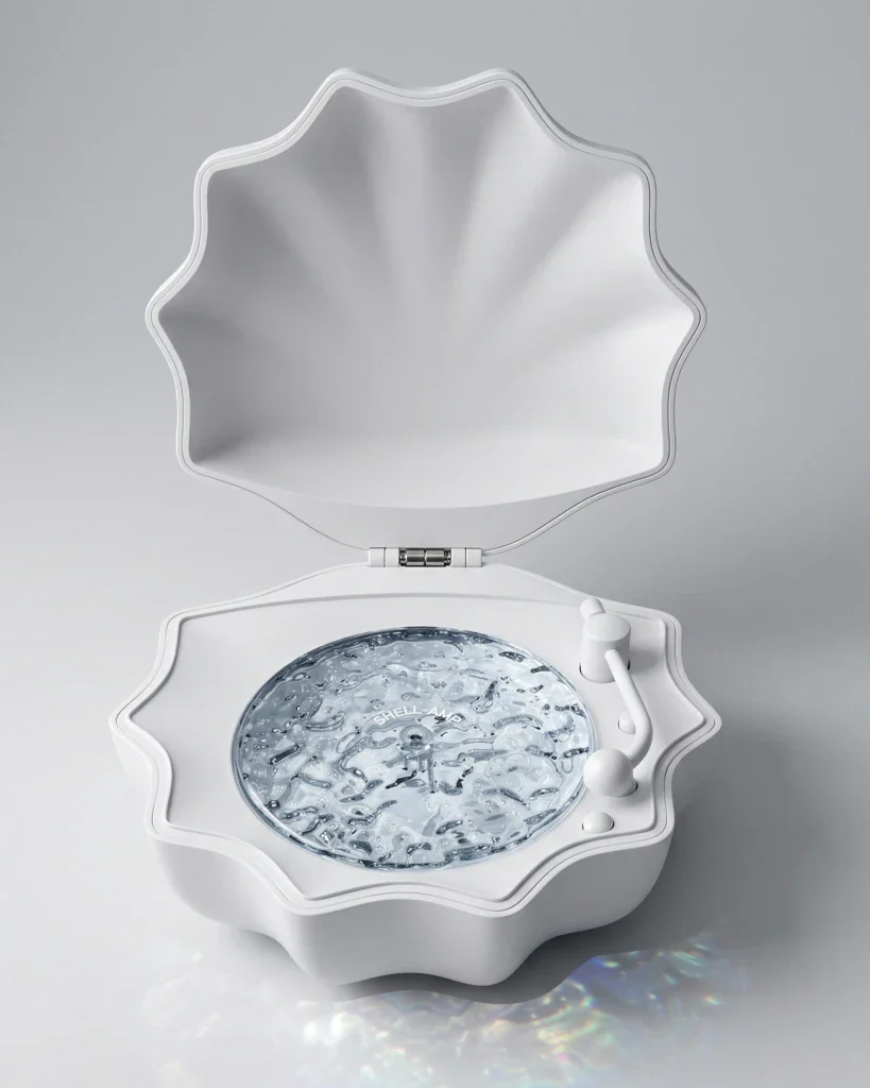
A star projector night lamp turns any child's bedroom into a calming, sleep-friendly space by casting soft stars, clouds, or galaxy patterns across the ceiling and walls. If you're shopping for a children's night lamp this year, this guide breaks down exactly what to look for, how to choose by age and budget, and how it compares to other kids bedding Australia essentials for building a better bedtime routine.
What Is a Star Projector Night Lamp?
A star projector night lamp is a small device that projects light patterns, usually stars, moons, or ocean waves, onto the ceiling or walls of a room. Unlike a traditional night light, it creates movement and depth, which many parents find helps children settle faster and stay asleep longer. Most modern versions combine a soft ambient glow with a rotating or static projection, plus extra features like sound or app control.
Why Parents Choose Star Projectors Over Standard Night Lights
Traditional night lights serve one purpose: keeping a room from being pitch black. Star projectors go further by:
- Creating a visually engaging, screen-free wind-down activity before sleep
- Reducing fear of the dark with gentle, non-startling light
- Doubling as a decorative feature that pairs well with themed kids' bedding
- Offering adjustable brightness so light doesn't interfere with melatonin production
For families building out a full sleep environment, a projector works especially well alongside soft, breathable kids' bedding in Australia, since both aim to make the room feel safe and cosy rather than clinical.
Key Features to Look For
1. Projection Range and Coverage
Check how far the projector throws light and how large the pattern is. Smaller rooms or cots need a tighter, closer range, while shared kids' rooms or larger bedrooms benefit from wide-angle projectors that can cover an entire ceiling.
2. Color Modes and Brightness Control
Look for projectors offering multiple color options (warm white, soft blue, and multicolor) and, importantly, a dimmer. Bright blue-toned light close to bedtime can interfere with sleep hormones, so warm, adjustable tones are best for a bedroom setting.
3. Timer and Auto-Shutoff Settings
A built-in timer (commonly 30, 60, or 90 minutes) lets the projector run while your child falls asleep, then switch off automatically. This saves energy and avoids leaving light running all night, which can disrupt deeper sleep stages.
4. Safety Certifications
Since these are electronic devices used in a child's room overnight, check for:
- Low-voltage or battery-safe operation
- Cool-touch housing (no overheating risk)
- Compliance with relevant Australian electrical safety standards
- No small, detachable parts for younger children
5. Noise Level (If It Includes Sound)
Many projectors include white noise, lullabies, or nature sounds. If sound is a feature, confirm the volume is adjustable and the speaker isn't tinny or startling at low volumes.
6. Power Source and Portability
USB-rechargeable models are convenient for travel and avoid constant battery replacement, while plug-in models are better for permanent bedside use.
Recommendations by Age Group
Newborns to 12 Months Choose a simple, single-color, low-brightness projector with no interactive buttons. Motion and light should be minimal to avoid overstimulation. A fixed, gentle glow paired with soft nursery bedding creates a calm sleep space.
Toddlers (1–3 Years) Toddlers benefit from projectors with a timer and a "no complicated controls" design, since curious hands will want to press everything. Look for shatterproof, cool-touch materials.
Preschool to Early Primary (4–7 Years) This age group often enjoys choosing their own color or pattern, so multi-mode projectors with remote or app control work well. Star and galaxy themes are popular and pair nicely with space-themed kids bedding.
Older Kids (8+ Years) Older children may want Bluetooth speaker integration, more detailed projections (planets, constellations), or app-based scheduling. These models tend to sit at a higher price point but offer more longevity as the child grows.
Recommendations by Budget
Budget (Under $30) Basic single-pattern projectors with a timer and one or two color options. Good for first-time buyers or as a trial before investing more.
Mid-Range ($30–$70) Multiple color modes, wider projection range, remote control, and often a built-in speaker for white noise or lullabies.
Premium ($70+) App-controlled projectors with customizable patterns, smart home integration, high-quality speakers, and premium safety-tested materials. Best suited for families wanting a long-term bedroom fixture.
How to Match a Projector With the Rest of the Room
A star projector works best as part of a coordinated sleep environment rather than a standalone gadget. Pairing it with breathable, seasonally appropriate kids bedding such as cotton sheets for warmer months or a weighted-style quilt for cooler regions helps reinforce a consistent bedtime routine. Consider the room's existing color scheme and bedding theme when choosing between warm white, multicolor, or themed (space, ocean, forest) projections.
Frequently Asked Questions
Is a star projector safe to leave on all night?
Most are designed for continuous overnight use, but using the timer function is generally recommended to limit prolonged light exposure during deep sleep.
What age is a star projector suitable for?
Star projectors are generally suitable from around 6 months onward, once a baby's sleep environment has moved past the newborn stage. Always check the manufacturer's age guidance.
Do star projectors use a lot of electricity?
No, most run on low-voltage USB power or batteries, making them inexpensive to operate nightly.