The Ultimate Guide to Automotive Window Tint: Protection, Privacy, and Style
Automotive window tint is an investment that pays dividends in comfort, protection, and vehicle longevity. Whether you're protecting your car's interior from sun damage, reducing heat, or adding an aesthetic upgrade, tinting offers real, tangible benefits.
 richardusa
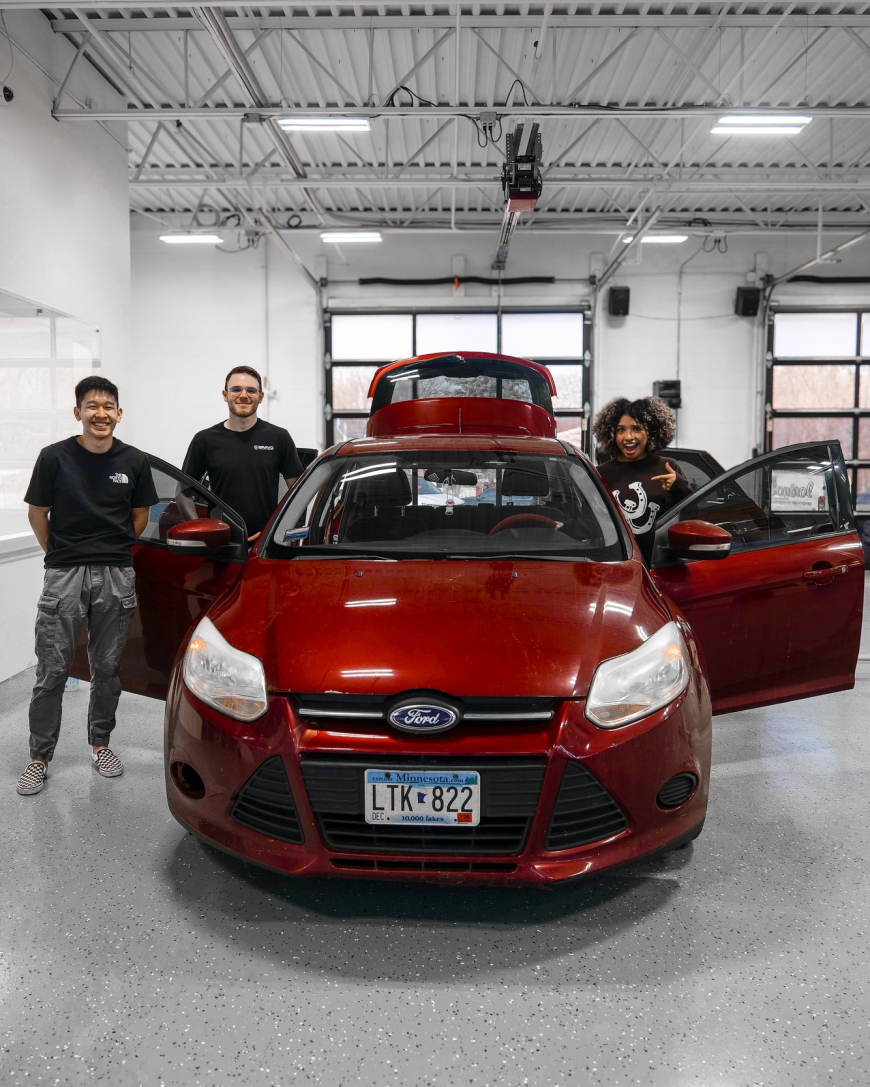
You're driving down the highway on a sweltering summer day, and the sun is beating down through your windshield like an unwelcome visitor. Your dashboard is scorching, your steering wheel is almost too hot to grip, and your air conditioning is working overtime just to keep up. This is where automotive window tint comes in. Window tinting isn't just about looking cool on the road, though that's definitely a nice bonus. It's about protecting your vehicle's interior, reducing heat, and giving you the privacy and comfort you deserve. Let's explore why so many car owners are making this upgrade.
What Is Automotive Window Tint?
Automotive window tint is a thin, multi-layered film applied to your vehicle's windows. It's made from polyester and coated with an adhesive that bonds it to the glass. But here's the thing, not all tints are created equal. Some are basic dyed films that fade over time, while others use advanced metalized or ceramic technology to last for years without degrading.
The film comes in different shades and darkness levels, measured by Visible Light Transmission (VLT) percentage. A 50% tint blocks half the light, while 20% blocks 80% of the light. Your state has different regulations about how dark you can go, so checking local laws before installation is essential. A professional window tint installer knows these regulations inside and out and can help you choose the perfect shade that's both legal and effective for your needs.
The Real Benefits of Tinting Your Windows
There's more to tinting than just aesthetics. UV rays are constantly bombarding your vehicle, fading your upholstery, cracking your leather, and even affecting the dashboard material. Automotive window tint blocks up to 99% of these harmful ultraviolet rays, essentially giving your car's interior a protective shield.
Heat rejection is another major advantage. On hot days, window tint can reduce interior temperatures by 10 to 15 degrees Fahrenheit. That means less reliance on your air conditioning system, which translates to better fuel efficiency and lower gas bills. Plus, your windows won't be as hot to the touch, making your driving experience more comfortable from the moment you sit down.
Then there's the privacy factor. Tinted windows make it harder for people to see inside your vehicle, protecting your belongings and giving you peace of mind when you're parked. And let's be honest, there's something undeniably cool about having a sleek, tinted look that makes your car stand out.
Why Professional Installation Matters
You might be tempted to grab a tint kit from an auto parts store and DIY it. Don't. A professional window tint installer has the tools, experience, and expertise to ensure a flawless application. They'll properly clean your windows, cut the film with precision, and eliminate air bubbles that can ruin the look and durability of your tint.
Poor installation leads to peeling, bubbling, and uneven coloring. It looks cheap, and it won't provide the heat rejection or UV protection you're paying for. A skilled installer ensures your automotive window tint lasts 5 to 10 years or longer. They also handle all the edges perfectly, which is where amateurs typically struggle.
Understanding Tint Laws and Regulations
Every state has different window tinting laws. Some are strict, while others are more lenient. Generally, front windows have stricter regulations than rear windows and back windows. Many states allow a complete blackout on rear and back windows, but require higher VLT percentages on front windows for safety reasons.
Getting stopped by law enforcement for illegal tint is frustrating and can result in fines. That's why consulting with a professional window tint installer before making your decision is crucial. They know the specific regulations in your area and can recommend a shade that keeps you on the right side of the law while still providing the benefits you want.
Choosing the Right Type of Tint for Your Vehicle
Dyed tint is the most affordable option, but it fades quickly and doesn't reject heat as effectively. Metalized tint reflects more heat and lasts longer, but it can interfere with cellular signals and navigation systems. Ceramic tint is the premium choice, offering superior heat rejection, UV protection, and clarity without any signal interference.
Your budget, vehicle type, and climate all play a role in which tint is right for you. Someone living in Arizona with extreme heat will benefit differently from someone in Minnesota. This is where professional guidance becomes invaluable.
The Bottom Line
Automotive window tint is an investment that pays dividends in comfort, protection, and vehicle longevity. Whether you're protecting your car's interior from sun damage, reducing heat, or adding an aesthetic upgrade, tinting offers real, tangible benefits. Just make sure you work with a qualified professional who understands local regulations and uses quality materials. Your car will thank you.