AR/VR in Mobile Apps: Industries Leading the Immersive Tech Revolution
Discover how AR and VR in mobile apps are transforming retail, healthcare, education, real estate, gaming, and manufacturing through immersive digital experiences and innovation.
 jerrysharon9
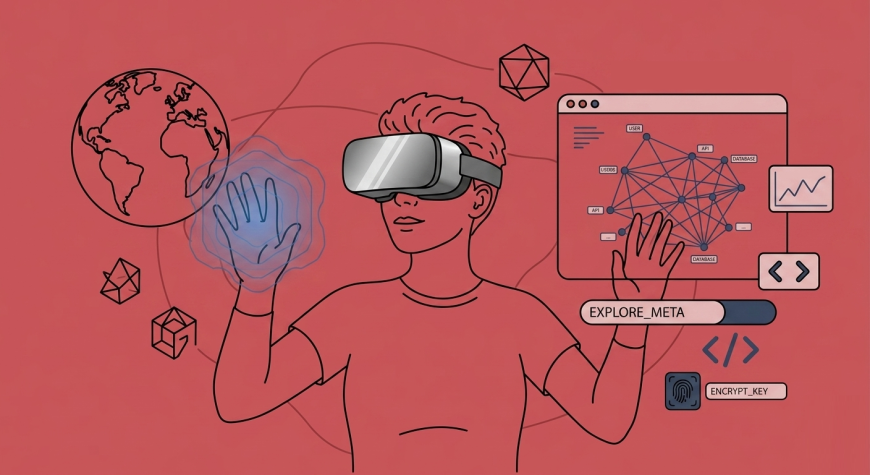
The way I interact with mobile apps has changed dramatically over the last few years. What once felt futuristic is now becoming part of everyday digital experiences. From trying on products virtually to attending immersive training sessions, AR and VR in Mobile Applications are reshaping how businesses connect with users.
As smartphones become more powerful, industries are investing heavily in immersive technologies to create engaging, interactive, and memorable experiences. In this article, I’ll explore the industry’s leading this transformation and why AR and VR are becoming essential for modern mobile applications.
Also Read: How to Build an MVP in 2026: A First-Time Founder’s No-BS Guide
Understanding AR and VR in Mobile Apps
Before diving into industry applications, it's important to understand the difference between these technologies.
- Augmented Reality (AR) overlays digital elements onto the real world through a smartphone camera.
- Virtual Reality (VR) creates a fully simulated digital environment that users can explore.
Both technologies are driving innovation in mobile experiences and opening new opportunities for businesses seeking competitive advantages through digital transformation.
Why Businesses Are Investing in Immersive Technology
The growing demand for personalized and interactive experiences has accelerated the adoption of Immersive Mobile App Development. Users no longer want static interfaces; they expect engaging environments that help them visualize, learn, shop, and interact more effectively.
Key benefits include:
- Higher user engagement
- Improved customer experience
- Increased conversion rates
- Better product visualization
- Enhanced training and learning outcomes
These advantages have made immersive technologies attractive across multiple industries.
Industries Leading the AR/VR Revolution
1: Retail and E-Commerce
Retail brands are among the biggest adopters of Augmented Reality Mobile Apps. Customers can now visualize furniture in their homes, try on glasses virtually, or preview cosmetics before purchasing.
Popular use cases include:
- Virtual product try-ons
- Interactive product demonstrations
- Virtual showrooms
- Personalized shopping experiences
This reduces purchase uncertainty and helps businesses improve customer confidence.
2: Healthcare
Healthcare organizations are using AR and VR to improve patient care and medical training.
Applications include:
- Surgical simulations
- Medical education
- Patient rehabilitation
- Mental health therapy
Doctors and medical students can practice complex procedures in safe virtual environments, improving learning outcomes and reducing risks.
3: Education and E-Learning
Education has benefited significantly from immersive experiences. Students can explore historical landmarks, conduct virtual science experiments, and interact with 3D learning materials directly from mobile devices.
These technologies make learning more engaging and improve knowledge retention compared to traditional methods.
4: Real Estate
Property buyers no longer need to visit every location physically. Real estate companies use virtual tours and 3D property walkthroughs to showcase homes and commercial spaces.
Benefits include:
- Remote property viewing
- Faster decision-making
- Reduced travel costs
- Better customer engagement
This approach has become particularly valuable for international buyers and remote investors.
5: Gaming and Entertainment
Gaming remains one of the strongest drivers of Virtual Reality Mobile App Development. Immersive gameplay experiences create deeper emotional connections and increase user retention.
Beyond gaming, entertainment companies use AR and VR for:
- Interactive events
- Live virtual concerts
- Immersive storytelling
- Virtual fan experiences
These innovations continue to redefine digital entertainment.
6: Manufacturing and Industrial Training
Manufacturers are adopting immersive technologies for workforce training and operational efficiency.
Common applications include:
- Equipment simulations
- Safety training
- Remote assistance
- Maintenance guidance
By using immersive learning environments, companies can reduce training costs while improving employee performance.
The Growing Role of Specialized Development Partners
Building successful immersive applications requires expertise in mobile development, 3D design, computer vision, and user experience. This is why businesses often collaborate with an experienced AR/VR App Development Company capable of delivering scalable and innovative solutions.
Professional development teams provide customized AR VR App Development Services that align with industry requirements and business objectives while ensuring seamless user experiences.
Future Trends Shaping AR/VR Mobile Applications
Several emerging technologies are accelerating the growth of AR/VR Mobile App Development:
- Artificial Intelligence integration
- Spatial computing
- 5G connectivity
- Cloud-based rendering
- Digital twins
- Mixed reality experiences
These innovations are expected to create even more sophisticated immersive applications across industries.
Conclusion
AR and VR are no longer experimental technologies. They have become practical business tools that enhance customer engagement, improve operational efficiency, and create unique digital experiences. As adoption continues to grow across retail, healthcare, education, real estate, gaming, and manufacturing, immersive applications will play an increasingly important role in mobile innovation.
For businesses looking to stay ahead of evolving market demands, partnering with the right development team is critical. Mobulous Technologies is a leading mobile app development company that helps businesses transform ideas into innovative immersive solutions, delivering cutting-edge experiences that drive growth and customer satisfaction.
Also Read Our Latest Blogs:
- How React Native Is Helping Startups Launch Faster and Spend Less
- Pet Care App Development: Features, Market & Cost Estimation
- IoT App Development: How Smart Devices Are Powering New Businesses