
Aerial Tensions Rise as Chinese Military Deploys Flares Near Philippine Surveillance Aircraft
Tensions in the South China Sea escalated after a Chinese military aircraft fired flares near a Philippine patrol plane, raising serious concerns over aviation safety, regional security, and the risk of miscalculation in contested airspace.
 sarahmichael89
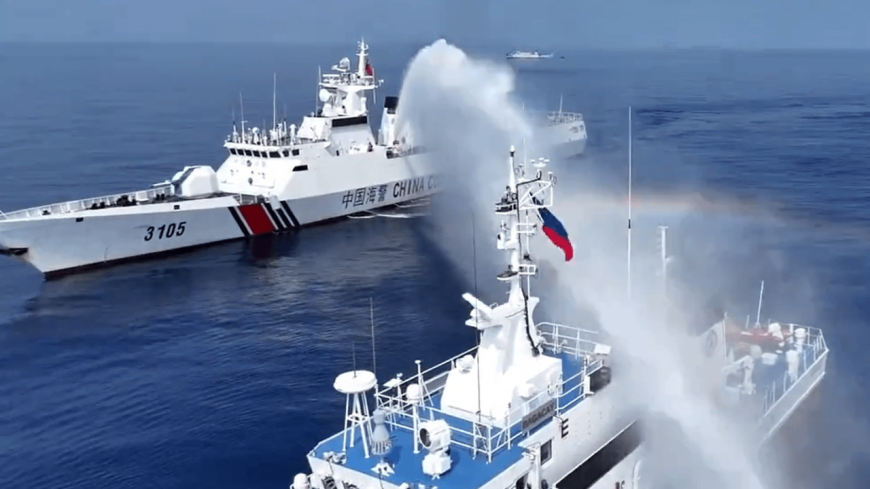
Tensions in the South China Sea escalated sharply after a Chinese military aircraft reportedly fired flares in close proximity to a Philippine patrol plane, raising serious concerns about aviation safety and regional stability. The incident underscores the growing risks posed by aggressive military maneuvers in one of the world’s most strategically sensitive airspaces.
According to Philippine defense officials, the Philippine patrol aircraft was conducting a routine maritime surveillance mission over contested waters when it encountered a People’s Liberation Army (PLA) aircraft. During the encounter, the Chinese aircraft allegedly released flares at a dangerously close distance, a move widely viewed as a provocative and hazardous act that could have resulted in a mid-air accident.
The South China Sea remains a flashpoint due to overlapping territorial claims involving multiple countries, including the Philippines, China, Vietnam, and Malaysia. While international law, particularly the United Nations Convention on the Law of the Sea (UNCLOS), supports freedom of navigation and overflight, enforcement and interpretation remain contentious. Incidents such as this highlight how quickly routine patrols can escalate into dangerous confrontations.
Philippine authorities condemned the action, describing it as a violation of international aviation norms and a threat to the safety of air crews. Officials emphasized that firing flares near an aircraft is not a standard interception practice and risks catastrophic consequences. The incident has renewed calls for adherence to rules based conduct and professional military engagement in disputed areas.
China, for its part, has consistently defended its actions in the region as necessary to protect its territorial sovereignty. Chinese officials often accuse foreign aircraft and vessels of conducting “provocative” activities, arguing that close interceptions are justified responses. However, defense analysts warn that such tactics increase the likelihood of miscalculation, especially in crowded air and sea corridors.
The episode also highlights broader concerns about the lack of effective crisis management mechanisms between regional militaries. Although some confidence-building measures exist, experts argue they are insufficient to prevent dangerous encounters. Without clear communication channels and agreed protocols, incidents involving military aircraft could spiral into larger diplomatic or even military crises.
International observers, including allies of the Philippines, have expressed concern over rising regional security tensions. The use of flares against a patrol plane adds to a growing list of close encounters in the region, reinforcing fears that the South China Sea could become a theater for unintended conflict.
Ultimately, the incident serves as a stark reminder that the skies above contested waters are becoming increasingly dangerous. As military activity intensifies, the need for restraint, dialogue, and respect for international law has never been more urgent. Preventing accidents in the air may be just as critical as managing disputes at sea.