A Business Owner’s Guide to Permits for Channel Letter Signs in Miami
Your storefront has seconds to capture attention. If customers can’t spot your location quickly—especially in Miami’s crowded commercial corridors—you lose walk-ins, brand exposure, and daily revenue opportunities.
 vibrantsignstudiomiami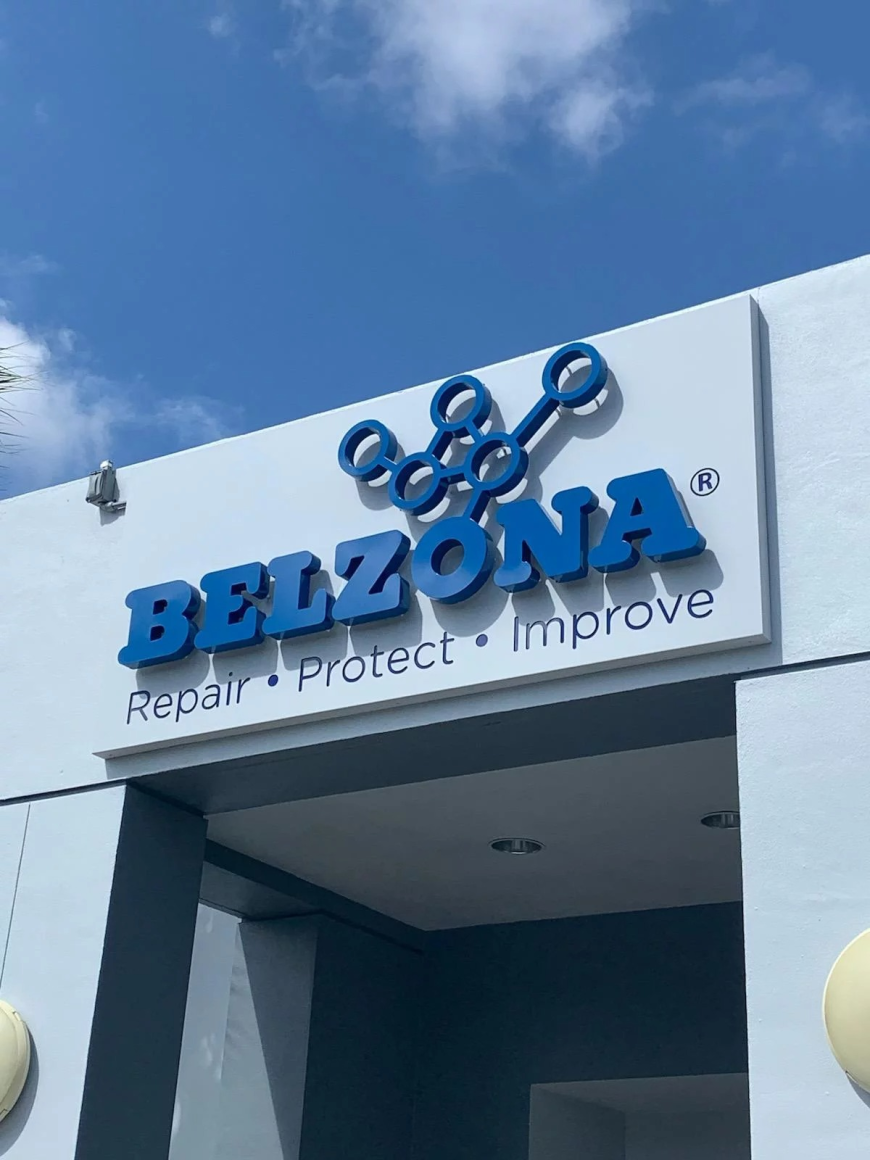
Channel letter signs are among the most effective forms of commercial signage available today. Their professional appearance, illumination options, and high visibility make them a popular choice for retail stores, restaurants, office buildings, medical practices, and shopping centers throughout Miami. However, before installing a new channel letter sign, business owners must understand local permit requirements to ensure compliance with city regulations.
Navigating the permitting process can seem complicated, especially for first-time business owners. This guide explains everything you need to know about permits for channel letter signs in Miami, helping you avoid costly delays, fines, and installation issues.
Why Are Permits Required for Channel Letter Signs?
The City of Miami regulates commercial signage to maintain public safety, preserve community aesthetics, and ensure compliance with local zoning codes. Since channel letter signs are typically mounted to building facades and often include electrical components, they require review and approval before installation.
Permit requirements help ensure that:
- Signs are structurally safe
- Electrical components meet code requirements
- Sign dimensions comply with zoning regulations
- Installations do not obstruct public rights-of-way
- Business signage aligns with local development standards
Installing a sign without proper permits can result in penalties, removal orders, or delays in obtaining business approvals.
What Are Channel Letter Signs?
Channel letter signs are three-dimensional letters, logos, or symbols typically fabricated from aluminum and acrylic materials. These signs can be illuminated internally using LED lighting or remain non-illuminated depending on business needs.
Common channel letter sign types include:
Front-Lit Channel Letters
The most popular option, featuring illuminated acrylic faces that provide excellent nighttime visibility.
Reverse-Lit Channel Letters
Also known as halo-lit signs, these create a sophisticated glow behind each letter.
Combination-Lit Channel Letters
A blend of front and reverse illumination for maximum visual impact.
Non-Illuminated Channel Letters
Suitable for locations where lighting restrictions apply.
Because many channel letter signs involve electrical systems and permanent building attachment, permitting is generally required.
When Does a Channel Letter Sign Permit Become Necessary?
In most cases, Miami businesses need permits when:
- Installing a new channel letter sign
- Replacing an existing sign with a larger sign
- Changing sign dimensions
- Adding illuminated elements
- Installing signage on a new commercial property
- Making structural modifications to an existing sign
Even if your business is located in a shopping plaza or commercial complex, individual sign approvals may still be required.
Key Information Required for Permit Applications
Before submitting a permit application, several documents are typically needed to support the review process.
Site Plan
A site plan shows the property's layout and identifies where the sign will be installed. This helps city reviewers verify compliance with local zoning regulations.
Sign Design Drawings
Detailed renderings should include:
- Overall dimensions
- Letter height and width
- Logo placement
- Mounting method
- Illumination specifications
- Color details
Structural Engineering Documents
For larger signs, engineering calculations may be required to demonstrate the sign's ability to withstand wind loads and environmental conditions common in South Florida.
Electrical Specifications
Illuminated channel letter signs often require electrical permit documentation showing how power will be safely connected and installed.
Property Owner Authorization
If the applicant does not own the building, written approval from the property owner or landlord may be necessary.
Understanding Miami Zoning Regulations
One of the most important aspects of the permit process involves zoning compliance.
Different zoning districts may have unique requirements regarding:
- Maximum sign size
- Letter height
- Sign placement
- Illumination levels
- Number of permitted signs
- Setback requirements
For example, signage allowances in a downtown commercial district may differ significantly from those in a neighborhood business zone.
A professional sign company familiar with Miami regulations can help determine what is permitted before the design process begins.
Historic District Considerations
Certain Miami neighborhoods and historic districts have additional signage regulations designed to preserve architectural character.
Businesses located within historic areas may require:
- Historic preservation review
- Additional design approvals
- Restrictions on illumination
- Specific material requirements
These approvals often add extra review time to the permitting process, making early planning essential.
How Long Does the Permit Process Take?
Permit approval timelines vary depending on several factors, including:
- Project complexity
- Sign size
- Electrical requirements
- Historic district reviews
- Current municipal workload
Simple channel letter sign permits may be approved within a few weeks, while more complex projects can take longer.
Submitting complete and accurate documentation helps avoid unnecessary delays caused by revision requests.
Common Permit Mistakes Business Owners Should Avoid
Many permit delays occur because of preventable errors.
Ignoring Local Sign Codes
Designing a sign before understanding zoning restrictions can lead to costly redesigns.
Submitting Incomplete Documentation
Missing engineering drawings, site plans, or electrical information can delay approval.
Assuming Existing Signage Is Automatically Approved
Replacing an old sign does not always exempt a business from permit requirements.
Choosing Unqualified Installers
Working with experienced sign professionals helps ensure compliance with permitting and installation standards.
Waiting Until the Last Minute
Permits should be part of the project timeline from the beginning rather than treated as an afterthought.
Why Work with a Professional Sign Company?
One of the easiest ways to simplify the permit process is by partnering with an experienced Miami sign company.
Professional sign providers typically assist with:
- Site surveys
- Sign design
- Code compliance review
- Permit preparation
- Engineering coordination
- Municipal submissions
- Installation scheduling
This comprehensive approach minimizes delays and helps ensure your sign meets all local requirements before fabrication begins.
The Value of Properly Permitted Channel Letter Signs
While permits may seem like an extra step, they ultimately protect both the business owner and property owner.
A properly permitted sign offers:
- Legal compliance
- Reduced liability
- Safer installation
- Improved property value
- Long-term durability
- Fewer operational disruptions
Most importantly, approved signage provides peace of mind that your investment meets Miami's safety and zoning standards.
Final Thoughts
Channel letter signs remain one of the most effective ways for businesses in Miami to attract attention and strengthen brand visibility. However, understanding the permit process is essential before installation begins.
From zoning compliance and engineering documentation to electrical approvals and property authorization, several factors influence whether a sign receives approval. By planning ahead and working with experienced signage professionals, business owners can navigate the process more efficiently and avoid costly setbacks.
If you're considering a new channel letter sign for your storefront, office building, restaurant, or commercial property, consulting with a knowledgeable sign company early in the process can help ensure your project moves smoothly from concept to installation.