Pond Fountain Maintenance Guide: Keep Your Water Feature Running Like New
A well-maintained pond fountain provides far more than an attractive water display. It improves circulation, increases oxygen levels, supports aquatic life, and helps maintain cleaner, healthier water throughout the year.
 Robert Micheal
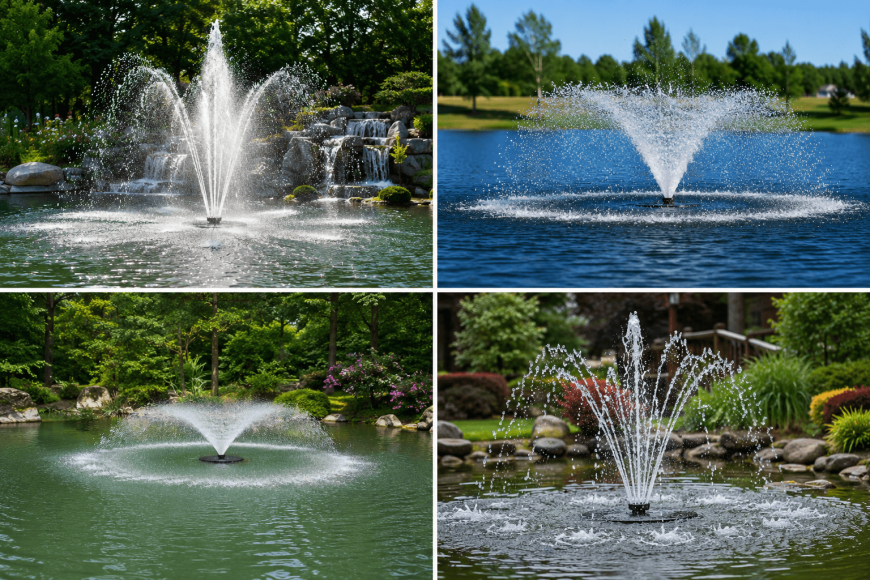
A pond fountain adds beauty, improves water circulation, and increases oxygen levels, making it an essential feature for many ponds. However, even the highest-quality fountain requires regular maintenance to deliver reliable performance. A simple maintenance routine helps prevent costly repairs, extends the life of the equipment, and keeps your pond clean and healthy throughout the year.
Whether you own decorative or pond fountains, proper maintenance is the key to protecting your investment. Cleaning the pump, removing debris, and inspecting the system regularly will ensure your fountain continues to provide excellent water circulation and an attractive display for years to come.
Why Is Pond Fountain Maintenance Important?
Pond fountains operate continuously in an outdoor environment where leaves, algae, dirt, and mineral deposits naturally accumulate. Without regular maintenance, these materials can reduce water flow, clog the pump, and shorten the lifespan of the fountain.
Routine care of pond fountains helps maintain strong water circulation, improves oxygen levels, reduces algae growth, and supports healthier fish and aquatic plants. It also keeps the fountain looking attractive while reducing the risk of unexpected breakdowns.
Clean the Pump Regularly
The pump is the heart of every pond fountain, so keeping it clean is essential.
Follow these steps:
-
Turn off the electrical power.
-
Remove the pump from the pond.
-
Rinse away dirt and debris.
-
Clean the intake screen.
-
Inspect the impeller for blockages.
-
Reinstall the pump securely.
Cleaning the pump every few weeks helps maintain consistent water flow.
Remove Leaves and Debris
Floating debris can block the pump and reduce fountain performance.
Regularly remove:
-
Fallen leaves
-
Twigs
-
Grass clippings
-
Dead insects
-
Floating algae
-
Plant debris
Keeping the pond surface clean improves water quality and reduces strain on the equipment.
Clean Fountain Nozzles
Over time, fountain nozzles may become clogged with mineral deposits or algae.
To restore proper spray patterns:
-
Remove the nozzle carefully.
-
Soak it in warm water.
-
Use a soft brush to remove buildup.
-
Rinse thoroughly before reinstalling.
Clean nozzles ensure a consistent and attractive water display.
Monitor Water Levels
Low water levels can cause the pump to draw in air, leading to overheating and damage.
Check water levels regularly, especially during:
-
Hot summer weather
-
Dry seasons
-
Periods of high evaporation
Always maintain sufficient water depth for safe pump operation.
Inspect Electrical Components
Electrical safety should always be part of your maintenance routine.
Inspect:
-
Power cables
-
Connectors
-
Timers
-
Ground fault outlets
-
Extension cords
Replace damaged components immediately to prevent electrical hazards.
Control Algae Growth
Although fountains help reduce algae, they cannot eliminate it completely.
To minimise algae growth:
-
Remove organic debris frequently.
-
Avoid overfeeding fish.
-
Add beneficial bacteria when necessary.
-
Maintain continuous water circulation.
-
Use aquatic plants to absorb excess nutrients.
These practices support cleaner and healthier water.
Seasonal Maintenance Tips
Each season presents different maintenance needs.
Spring
-
Deep clean the fountain.
-
Inspect the pump.
-
Check electrical connections.
-
Test spray patterns.
Summer
-
Monitor water levels closely.
-
Remove algae buildup.
-
Clean filters more often.
Autumn
-
Remove falling leaves regularly.
-
Trim dead aquatic plants.
-
Prepare equipment for colder temperatures.
Winter
In freezing climates:
-
Remove the fountain if recommended.
-
Store the pump indoors if necessary.
-
Protect electrical components from moisture and ice.
Seasonal maintenance extends the life of your fountain.
Common Maintenance Mistakes
Avoid these common errors:
-
Running the fountain with low water levels
-
Ignoring clogged pump screens
-
Skipping routine cleaning
-
Allowing debris to accumulate
-
Using harsh cleaning chemicals
-
Neglecting seasonal inspections
Preventive maintenance is much easier than repairing damaged equipment.
Recommended Maintenance Schedule
A simple schedule keeps your fountain performing at its best.
-
Check water levels every week.
-
Remove floating debris several times a week.
-
Clean the pump every 2–4 weeks.
-
Clean spray nozzles monthly.
-
Inspect electrical components each season.
-
Perform a full system inspection once a year.
Following this routine helps prevent unexpected problems.
Benefits of Regular Pond Fountain Maintenance
Routine maintenance provides many long-term advantages.
Benefits include:
-
Longer pump lifespan
-
Better water circulation
-
Increased oxygen levels
-
Cleaner water
-
Reduced algae growth
-
Improved water clarity
-
Lower repair costs
-
More attractive fountain displays
Consistent maintenance protects both your equipment and your pond ecosystem.
Final Thoughts
A well-maintained pond fountain provides far more than an attractive water display. It improves circulation, increases oxygen levels, supports aquatic life, and helps maintain cleaner, healthier water throughout the year.
By following a regular maintenance routine that includes cleaning the pump, removing debris, monitoring water levels, and performing seasonal inspections, you can keep your pond fountain operating efficiently for many years. Whether you own a small backyard water feature or a large decorative pond, proper maintenance is the key to long-lasting performance and beautiful results.