Payroll Services: Streamlining Employee Compensation and Compliance
Payroll services are an essential part of modern business operations, ensuring that employees are paid accurately and on time while maintaining compliance with tax regulations and labor laws.
 hermioneclaura
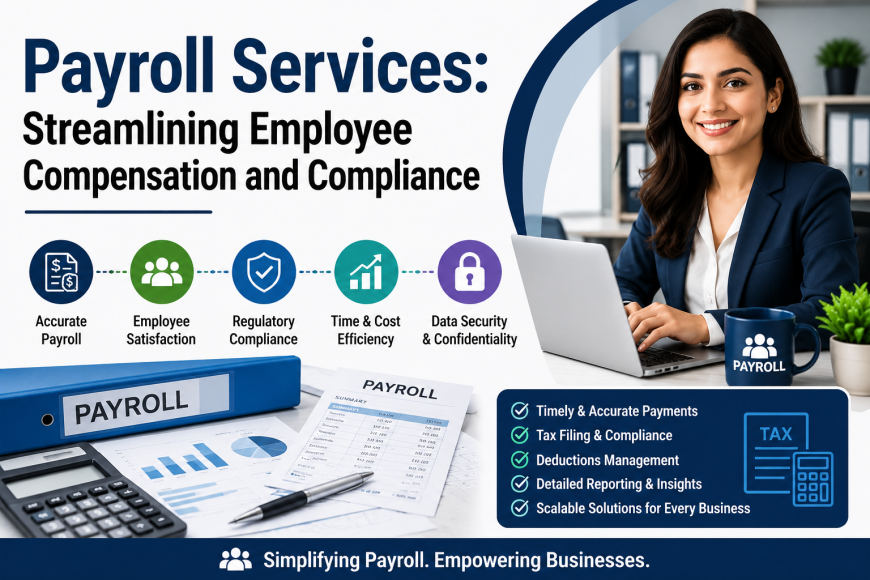
Payroll services are an essential part of modern business operations, ensuring that employees are paid accurately and on time while maintaining compliance with tax regulations and labor laws. Managing payroll involves multiple tasks such as salary calculations, tax deductions, benefits management, and statutory filings. For many organizations, handling these processes internally can be complex and time-consuming. Payroll services provide a structured and efficient approach to managing these responsibilities, allowing businesses to focus on growth and productivity.
What Are Payroll Services?
Payroll services in India refer to professional solutions that manage employee compensation processes, including calculating wages, processing payments, and handling tax-related obligations. These services can be managed in-house using software or outsourced to specialized providers. Payroll systems are designed to automate repetitive tasks, reduce human error, and ensure compliance with legal requirements.
In addition to salary processing, payroll services often include generating payslips, maintaining employee records, and managing deductions such as provident fund (PF), employee state insurance (ESI), and income tax. This comprehensive approach simplifies payroll management for businesses of all sizes.
Key Components of Payroll Services
Payroll services consist of several important components that work together to ensure smooth operations. Salary calculation is one of the primary elements, where employee earnings are determined based on attendance, overtime, bonuses, and other factors. Tax deductions and statutory compliance are also critical, ensuring that all required payments to government authorities are made accurately and on time.
Another key component is record management. Payroll services maintain detailed records of employee salaries, deductions, and benefits, which are essential for audits and financial reporting. Additionally, many payroll systems include reporting tools that provide insights into payroll expenses and workforce costs.
Benefits of Using Payroll Services
One of the main advantages of payroll services is improved accuracy. Automated systems minimize errors in calculations and ensure that employees receive the correct salary. Timely processing of payroll also enhances employee satisfaction and trust within the organization.
Payroll services help businesses stay compliant with changing regulations. Keeping up with tax laws and labor policies can be challenging, but professional payroll solutions ensure that all requirements are met. This reduces the risk of penalties and legal issues.
Another significant benefit is time and cost savings. By outsourcing or automating payroll tasks, businesses can reduce administrative workload and allocate resources more effectively. This allows organizations to focus on strategic activities that contribute to growth.
Types of Payroll Services
There are different types of payroll services available depending on business needs. In-house payroll involves managing payroll processes internally using dedicated software and staff. This option provides control but requires expertise and resources.
Outsourced payroll services involve hiring external providers to handle all payroll functions. This approach is cost-effective and ensures professional management of payroll tasks. Cloud-based payroll solutions are also gaining popularity, offering flexibility, real-time access, and integration with other business systems.
Each type of payroll service has its advantages, and businesses can choose the option that best suits their requirements.
Importance of Compliance in Payroll
Compliance is a critical aspect of payroll services. Businesses must adhere to various regulations related to employee compensation, tax deductions, and statutory contributions. Failure to comply can result in penalties and damage to the organization’s reputation.
Payroll services ensure that all compliance requirements are met, including timely filing of returns and accurate calculation of taxes. They also keep track of changes in laws and regulations, helping businesses stay updated and avoid risks.
Technology in Payroll Services
Technology plays a vital role in modern payroll services in Bangalore . Advanced software solutions automate complex calculations, manage employee data, and generate reports. Cloud-based systems provide real-time access to payroll information, making it easier for businesses to monitor and manage payroll processes.
Integration with other systems such as human resources and accounting software further enhances efficiency. These technological advancements improve accuracy, reduce manual effort, and provide better insights into payroll operations.
Choosing the Right Payroll Service Provider
Selecting the right payroll service provider is essential for achieving efficient payroll management. Businesses should consider factors such as experience, reliability, technology, and customer support. A good provider offers customized solutions that meet specific business needs.
Data security is another important consideration, as payroll information is sensitive and requires proper protection. Businesses should ensure that the provider follows strict security measures to safeguard data.
Conclusion
Payroll services are a fundamental part of business operations, ensuring accurate salary processing, compliance, and efficient management of employee compensation. By leveraging professional payroll solutions, businesses can reduce administrative burden, improve accuracy, and focus on core activities. As organizations continue to grow and adapt to changing regulations, payroll services remain a valuable tool for achieving operational efficiency and long-term success.