The Strategic Power of Human Resources Data Analytics in Modern Business
Unlock better team performance with human resources data analytics. Learn how to transform workforce metrics into actionable insights for sustainable success.
 langleystation
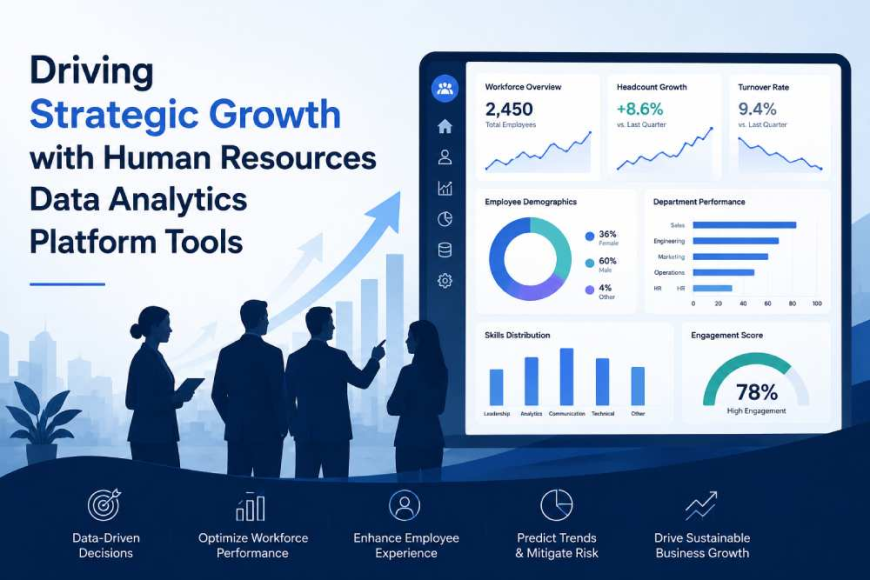
In the competitive corporate landscape of 2026, the ability to make informed decisions regarding your workforce has become the primary differentiator between stagnant companies and thriving industry leaders. Gone are the days when personnel management relied solely on intuition or anecdotal evidence. Today, the most successful organizations utilize human resources data analytics to bridge the gap between administrative record keeping and strategic business growth. By converting raw information about employee engagement, project output, and operational efficiency into a clear visual narrative, leadership teams can identify exactly where their organizational strengths lie and which areas require immediate attention.
Adopting a data driven mindset is not about turning your team members into mere numbers or reducing their value to simple performance metrics. On the contrary, it is about providing your people with the environment, tools, and support they need to perform at their absolute best. When you have access to accurate information regarding team capacity and skill utilization, you remove the guesswork from management. This clarity allows you to allocate resources more effectively, anticipate potential burnout before it occurs, and foster a professional culture where every individual understands how their contribution aligns with the broader goals of the business.
Turning Raw Workforce Metrics Into Actionable Intelligence
The true potential of digital management platforms is realized when they move beyond basic reporting and into the realm of predictive insights. Many companies collect vast amounts of information regarding attendance and project completion, but they often fail to connect these data points to understand the bigger picture. When you integrate sophisticated analysis into your daily operations, you can see how specific workflows correlate with project success rates. This connection allows you to replicate your most effective processes across the entire organization, ensuring that every department benefits from the best practices established by your highest performing teams.
Consider a professional services firm that struggled with high turnover in their junior staff levels. By conducting a deep review of their metrics, leadership discovered that employees who did not receive structured feedback within their first ninety days were significantly more likely to exit the company. With this specific knowledge, they implemented a new automated check in program that prompted managers to provide consistent, constructive guidance. This simple adjustment, driven by the findings of their internal analysis, resulted in a twenty percent improvement in retention within a single year. This example perfectly illustrates that the right insights can save significant time, money, and talent.
Enhancing Employee Engagement Through Transparency
One of the most persistent myths regarding the use of metrics in the office is that it creates an environment of surveillance. However, when deployed with a focus on support rather than control, these tools actually foster a sense of trust and transparency. When team members understand that their metrics are being used to help them improve their skills and manage their workloads rather than to penalize them, they feel more confident in their roles. Employees appreciate a transparent system that highlights their achievements and offers a clear, objective path for professional development.
Optimizing Team Capacity and Resource Allocation
Efficient resource management is a constant challenge, especially for companies with a distributed or remote workforce. Effective analysis allows you to monitor how time is spent on various projects without resorting to invasive monitoring techniques. You can identify which processes are causing friction or consuming too much time, which allows you to streamline those workflows. By ensuring that your most valuable talent is focused on the work that drives the most impact, you increase the overall productivity of the company while maintaining a sustainable pace for your staff.
Supporting Long Term Talent Development
Beyond daily efficiency, leveraging these tools is essential for succession planning and long term organizational health. By tracking skill acquisition and performance trends over time, you can identify rising stars who are ready for increased responsibility. This approach ensures that you are always prepared for future growth and can fill critical roles from within your existing team. It shifts the focus from emergency hiring to deliberate development, which builds a more stable and experienced workforce that is better equipped to handle the challenges of a rapidly changing market.
Conclusion: Securing Your Future Through Strategic Insight
In summary, the transition toward a data informed approach is an essential milestone for any company that intends to remain competitive in the current professional era. By prioritizing clear insights, you provide your leadership team with the stability and confidence needed to guide a diverse workforce. The right technology helps you create a culture of accountability where achievements are recognized and roadblocks are removed quickly. When you prioritize transparency and use objective metrics to support your staff, you are not just managing people; you are actively building a more efficient and profitable future for your entire organization.
To truly bridge the gap between simple administrative tracking and high level workforce optimization, you need a solution that understands the nuance of human potential. Staffviz provides a comprehensive platform designed to elevate your human resources data analytics through intuitive reporting and real time performance tracking. By combining these deep insights with a commitment to professional growth, they help you build a more transparent and successful company culture. Visit their website today to see how you can transform your operations and drive consistent results for years to come.
Frequently Asked Questions
How does data analysis improve the overall employee experience?
It helps by ensuring that workloads are balanced fairly and that high performers are recognized. By removing bottlenecks and providing a clear understanding of expectations, the system reduces the frustration associated with disorganized processes, allowing employees to focus on their best work.
Can these tools help in reducing staff turnover?
Yes, by identifying the patterns that lead to disengagement or burnout, leadership can intervene early with support and resources. When you address the root causes of job dissatisfaction through objective insights, you can foster a more loyal and long term team.
Is it difficult to integrate these analytics into a small business?
Many modern platforms are designed to be scalable and user friendly for businesses of any size. The initial setup time is an investment that provides significant returns in terms of efficiency, cost savings, and the ability to make informed decisions as your company grows.
Does this approach lead to a culture of micromanagement?
Only if the tools are misused. When the goal is to provide support, identify obstacles, and recognize growth, the information becomes a tool for empowerment rather than surveillance. The focus should always be on outcomes and team success rather than constant activity tracking.
What specific metrics should managers focus on for better results?
Managers should focus on project completion trends, time to market for key initiatives, and the alignment of individual goals with company objectives. These metrics provide a clear view of how effectively the team is working and where additional support or training might be needed.
How do these insights support succession planning?
By tracking performance over time, you can objectively identify employees who have the skills and consistency to take on leadership roles. This ensures a smoother transition for internal promotions and builds a stronger bench of talent for the future.
Are these platforms secure for sensitive employee information?
Leading providers place a high priority on security, using advanced encryption and strict access controls to ensure that all personnel data remains confidential. You can trust that your information is protected while gaining the visibility you need to manage your business effectively.