How Do Large Animal Waste Incinerators Handle Poultry Waste?
 sonamkuamri
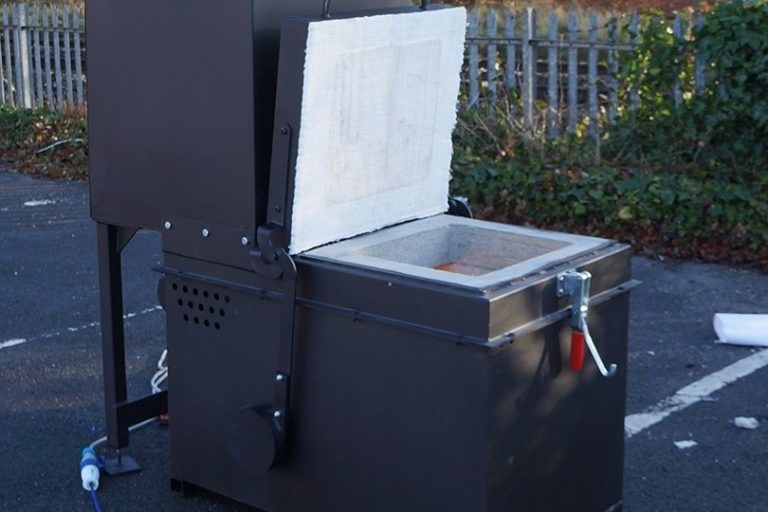
The safe management of poultry waste plays a big role in protecting both farm and environmental biosecurity. Dead birds, litter, feathers, and lots of other wastes are generated in poultry operations. Animal waste incinerators can be used very effectively for poultry waste, when designed with the correct temperature controls, chamber sizes, and combustion design and efficiency. Their primary function is to safely destroy organic waste, and help minimize bad odors, waste disposal problems, and disease concerns.
How Does Incineration Work?
Bird waste poultry incineration works by subjecting the waste to extremely high temperatures within a controlled combustion chamber. Once the waste is loaded in, the system works to combust the waste down to an ash residue. During this process, waste is made much easier to dispose of and handle.
Due to the continual generation of waste, much larger animal systems also have very strong refractory lining and good burners to maintain a very stable heat for large operating cycles. This is also very beneficial when considering regular and large quantities of poultry waste generation systems. The stable heat helps ensure good combustion and therefore good system efficiency.
Why Large Animal Incinerators Are Good for Poultry Waste
While these incinerators are intended for larger carcasses and for larger waste load issues, these incinerators can handle poultry waste fairly easily. Because of the lightweight nature of poultry waste, it tends to fill the chambers of incinerators quickly and requires larger designs to account for higher volumes. With the larger chamber size, facilities are able to process large volumes of waste or mixed loads with less downtime. Because of this, the incinerator design is quite practical for use on farms, hatcheries, processing units, and anywhere else that poultry waste is generated in large amounts.
Another large benefit is that Large Animal waste incinerators can accommodate diverse poultry waste without having to make significant alterations to the system. Poultry waste can be quite different depending on its source and what it has been subjected to, for example routine mortality, disease control, or processing. A good incinerator design should be able to accommodate this diversity and variation in waste while still achieving high destruction rates.
Hygiene, Biosecurity, and the Environment
There are many benefits to poultry waste incinerator. They help to greatly diminish the potential spread of disease because of the incineration of potential infectious waste. They also help to prevent pest problems because of the sealed design, and contamination of water and soil is also less due to the incineration of waste. This is especially important with poultry operations because of the rapid disease problems that can occur and that can affect entire flocks. Incineration also lessens the odor problems and helps to improve the atmosphere of the community that the business is operating in.
The sealed nature of incinerators greatly lessens the potential for bacterial and pathogen exposure that would occur if the waste had been dumped or buried. Large Animal Incinerators designed with proper control for emissions can function in an environmentally sustainable way and help businesses comply with waste management standards.
Operational Considerations
Poultry waste should be loaded and burned as per the cycles recommended by the manufacturer to achieve the best results. Moisture content, size and volume of the waste affects the combustion. Maintain the system by ensuring the burners and linings are clean and intact, and by carrying out regular inspections.
Facilities adopting large-scale systems for the safe disposal of poultry should balance the systems’ dimensions with their operating flexibility and heat retention. The best systems are those that maintain performance while minimizing both fuel consumption and operational downtime.
Conclusion
Incinerators for large animal sale poultry waste use incineration to provide high temperature combustion, destroy all the organic material, and eliminate all pathogens while reducing the waste volume. A poultry incinerator system provides a safe and efficient alternative of waste management for farms and processing. Once the system is operational, the disposal of poultry waste improves biosecurity and protects the environment from contamination.