5 Reception Sign Mistakes Chicago Businesses Make (And How to Avoid Them)
At Redheaded Sign Company, we specialize in designing custom lobby signs that seamlessly integrate into your workspace
 redheadedsigncompany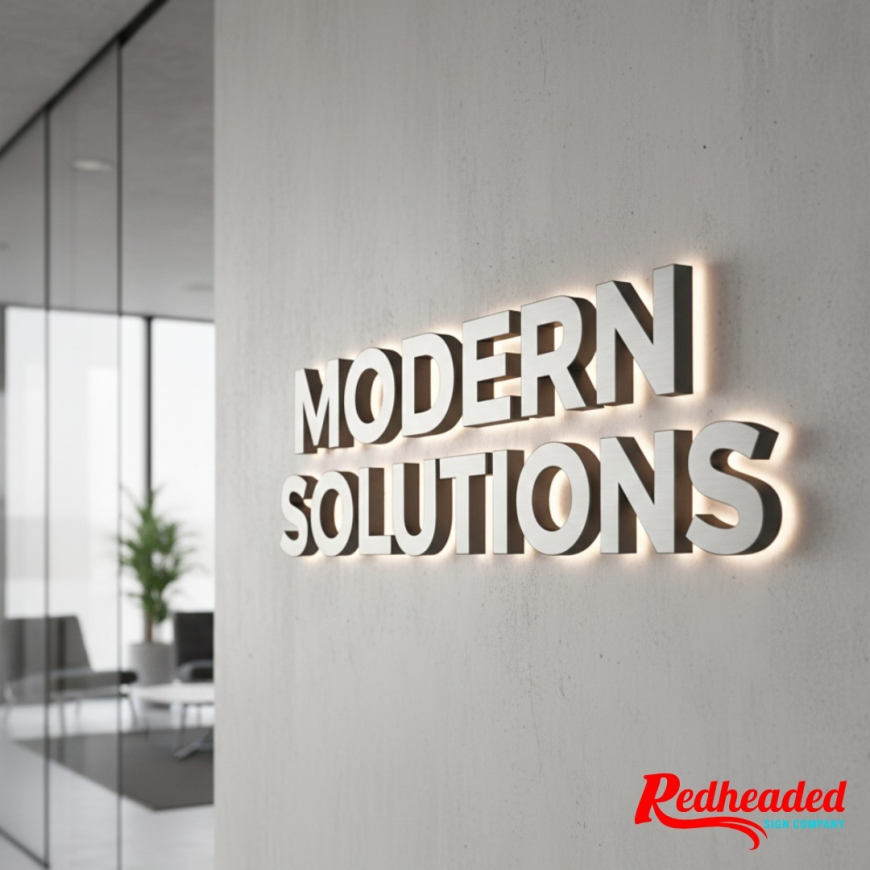
Your reception area is often the first physical interaction customers, clients, partners, and prospective employees have with your business. Before a conversation begins, your environment communicates a message about your professionalism, attention to detail, and brand identity.
One of the most influential elements in that first impression is your reception sign. A well-designed reception sign reinforces credibility, creates a welcoming atmosphere, and helps establish brand recognition. Unfortunately, many businesses overlook important design and installation considerations, resulting in signage that fails to achieve its intended purpose.
Whether you're renovating an office, opening a new location, or updating your branding, avoiding these common reception sign mistakes can help ensure your investment delivers long-term value.
Mistake #1: Treating the Reception Sign as an Afterthought
Many businesses invest heavily in office furniture, paint colors, flooring, and technology while leaving reception signage until the very end of the project. This often leads to rushed decisions, limited design options, and signage that feels disconnected from the overall space.
Your reception sign should be considered a core element of your interior branding strategy, not simply a decorative accessory.
When signage is incorporated into the design process from the beginning, it can complement architectural features, lighting, color schemes, and customer flow. The result is a cohesive environment that strengthens your brand identity and improves the visitor experience.
How to Avoid It
Begin planning your reception signage early in the project. Consider how the sign will interact with the surrounding space, including wall materials, lighting conditions, furniture placement, and traffic patterns.
Working with signage professionals during the planning phase often leads to more creative and effective solutions.
Mistake #2: Choosing Materials Based Solely on Cost
Budget is an important consideration for any business project. However, selecting the cheapest signage option often results in a lower-quality appearance that can negatively impact customer perception.
Reception signs are highly visible branding assets. Low-cost materials may discolor, warp, scratch, or appear unprofessional over time.
For example, a poorly manufactured sign may look acceptable immediately after installation but begin showing signs of wear within a short period. This can undermine the professional image your business is trying to project.
How to Avoid It
Focus on long-term value rather than initial cost alone. Quality materials such as acrylic, brushed aluminum, dimensional lettering, HDU, and premium vinyl graphics provide greater durability and a more professional appearance.
Investing in high-quality fabrication often reduces future replacement costs while ensuring your brand maintains a polished image.
Mistake #3: Poor Visibility and Readability
One of the most common reception sign mistakes is prioritizing aesthetics at the expense of readability.
A sign may feature an attractive design, but if visitors struggle to read the company name, the sign is not performing its primary function.
Several factors can affect visibility, including:
- Inadequate letter sizing
- Excessive design complexity
- Low color contrast
- Poor placement
- Insufficient lighting
A reception sign should be immediately recognizable from the moment someone enters the space.
How to Avoid It
Design with clarity in mind. Use legible fonts, appropriate sizing, and strong contrast between lettering and background materials.
Consider viewing distances from entrances, waiting areas, and reception desks. Professional sign designers can help determine the optimal scale and placement to maximize visibility.
If the space has limited natural light, illuminated signage or strategic lighting may significantly improve readability.
Mistake #4: Ignoring Brand Consistency
Your reception sign should be an extension of your overall brand identity. Unfortunately, many businesses install signage that doesn't align with their logo, website, marketing materials, or company values.
Inconsistent branding creates confusion and weakens brand recognition. Customers should immediately connect the physical environment with the brand they encountered online or through advertising.
For example, a modern technology company may unintentionally create a disconnect by installing a traditional-looking sign that doesn't reflect its innovative image. Likewise, a luxury brand may lose credibility if its reception signage appears generic or outdated.
How to Avoid It
Ensure your reception sign incorporates key brand elements, including:
- Logo design
- Brand colors
- Typography
- Messaging style
- Visual identity standards
A cohesive branding strategy creates a more memorable and professional experience for visitors while reinforcing trust and recognition.
Mistake #5: Hiring Based on Price Instead of Expertise
Not all signage providers offer the same level of design, fabrication, and installation expertise. Businesses that choose a vendor solely based on the lowest quote often encounter problems ranging from design limitations to installation issues.
Reception signage requires a combination of technical knowledge, material expertise, project management, and craftsmanship. A poorly installed sign can diminish the appearance of an otherwise beautiful reception area.
Experienced sign professionals understand how different materials perform, how lighting impacts visibility, and how to create solutions that complement the overall environment.
How to Avoid It
When evaluating signage partners, look beyond pricing. Review project portfolios, customer testimonials, material options, and installation experience.
An established Chicago sign company can help guide you through the design process, recommend appropriate materials, and ensure your reception sign supports your business objectives while maintaining a professional appearance.
Why Reception Signs Are Worth the Investment
Reception signage does much more than display a company name. It helps shape perceptions, communicate professionalism, and reinforce your brand from the moment visitors enter your space.
A thoughtfully designed sign can:
- Strengthen brand recognition
- Improve first impressions
- Enhance customer confidence
- Support interior design goals
- Create a more welcoming environment
Because reception signs are often among the most visible elements in an office or commercial space, investing in quality design and fabrication can deliver benefits for years to come.
Final Thoughts
Your reception area sets the tone for every visitor interaction. By avoiding common mistakes such as poor material selection, weak branding, limited visibility, rushed planning, and inexperienced installation, businesses can create reception signage that leaves a lasting positive impression.
The most effective reception signs combine thoughtful design, durable materials, professional craftsmanship, and strong brand alignment. When these elements come together, your reception sign becomes more than a decorative feature—it becomes a powerful representation of your business and the experience customers can expect.