2D vs 3D Animation: The Storytelling Power of 2D vs 3D
 tomparker
Animation is one of the most captivating forms of storytelling. From the hand-drawn classics of the past to today’s ultra-realistic computer-generated visuals, animation has continuously evolved, pushing the boundaries of imagination. Among the many techniques that exist, 2D and 3D animation stand out as the two primary styles shaping the industry. Both styles have their own strengths, artistic values, and storytelling powers that leave lasting impressions on audiences. Whether you’re creating an Explainer video for a brand or developing a feature-length animated film, choosing between 2D and 3D often depends on the narrative, style, and intended impact.
In this article, we’ll explore how 2D and 3D animation contribute differently to storytelling, why they resonate with audiences, and how businesses and creators can harness their unique strengths.
The Emotional Simplicity of 2D Animation
2D animation has been around for over a century. Think of Disney’s golden age with movies like Snow White or The Lion King—stories that left deep emotional marks on audiences worldwide. The power of 2D lies in its simplicity. With hand-drawn or digitally drawn characters, 2D animation gives storytellers freedom to exaggerate emotions, facial expressions, and actions.
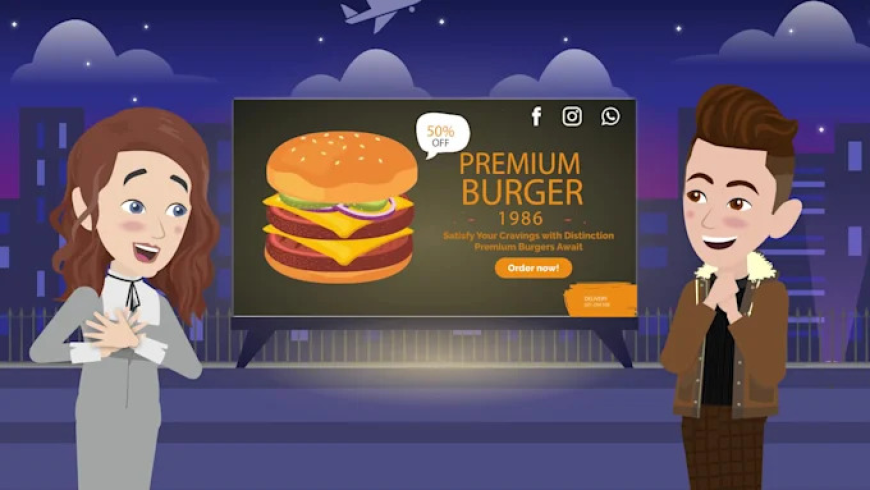
Because of this simplicity, 2D animated explainer video content often feels warm, approachable, and easy to follow. Businesses use this style to explain complex products or services in an engaging way. For instance, startups often rely on a 2D animated explainer video to simplify technical ideas into visual metaphors that anyone can understand.
2D animation shines when the goal is emotional connection. Its minimalism keeps distractions away and lets the narrative drive the audience’s experience.
The Realism and Depth of 3D Animation
On the other hand, 3D animation provides depth, realism, and a more immersive storytelling experience. Pixar and DreamWorks have shown how 3D animation can make audiences laugh, cry, and feel deeply connected to characters that look and move almost like real beings. The added dimension gives stories a cinematic feel, making them more relatable and visually spectacular.
When used in marketing or education, 3D animation excels in industries that need accuracy and realism. For example, medical companies often use 3D animations to show how treatments work inside the human body. Similarly, architecture firms use it to visualize spaces before they’re built.
Unlike 2D, 3D is less about exaggeration and more about believability. Its storytelling power lies in transporting audiences into lifelike, detailed worlds.
Storytelling: The Core of Both Styles
Despite their differences, both 2D and 3D animation serve the same ultimate purpose: storytelling. Whether the goal is to make someone smile, understand a concept, or empathize with a character, both styles are tools in the hands of creators.
-
2D animation tells stories through exaggeration, symbolism, and charm.
-
3D animation tells stories through immersion, realism, and relatability.
Neither is better than the other; it depends on the story being told and the audience you want to reach. For example, a children’s educational series might thrive in 2D because of its playful simplicity, while a blockbuster fantasy film benefits more from 3D’s visual grandeur.
Why Businesses Turn to Animation for Storytelling
Brands are increasingly turning to animation to tell their stories. Attention spans are shorter, and people process visuals faster than text. That’s why explainer content has become such a powerful tool.
An Explainer video can summarize a brand’s value, highlight a product, or tell a story in just 60–90 seconds. For businesses with complex offerings—like fintech apps, SaaS platforms, or healthcare services—explainer videos turn confusing information into something fun and digestible.
And when it comes to explainer videos, 2D animation often dominates because it’s cost-effective, flexible, and visually engaging. However, 3D is gaining ground for products that need high detail, like gadgets, cars, or scientific tools.
The Audience’s Perspective
Audiences don’t usually think in terms of “2D” or “3D.” Instead, they connect with stories, characters, and emotions. That’s where the real magic of animation lies. The medium becomes invisible, and what remains is the journey you’re taken on.
For example:
-
A 2D public service announcement can inspire empathy through exaggerated characters and heartfelt storytelling.
-
A 3D product demo can inspire trust by showing every detail of how something works.
Ultimately, the storytelling power comes from how well the animation aligns with the message.
The Blend of 2D and 3D
Many modern projects combine 2D and 3D techniques. Shows like Spider-Man: Into the Spider-Verse and various brand campaigns use hybrid approaches, blending 2D’s charm with 3D’s realism. This fusion gives stories a fresh, unique visual identity and appeals to audiences who crave something new.
For explainer videos, combining 2D characters with 3D product renders has become a trend. It allows businesses to enjoy the best of both worlds—approachable storytelling alongside realistic visuals of their product.
The Future of 2D and 3D Storytelling
Looking ahead, the lines between 2D and 3D are blurring even more. With AI tools and advanced software, creators can move fluidly between styles. What’s clear, however, is that both 2D and 3D will continue to play vital roles in animation.
-
2D will always remain a classic tool for quick, emotional, and cost-friendly storytelling.
-
3D will continue to dominate blockbuster films and industries requiring detail and realism.
But neither will ever fully replace the other—because both connect with audiences in unique, irreplaceable ways.
Conclusion
The debate between 2D and 3D animation isn’t really about which one is better—it’s about what story you want to tell and how you want your audience to experience it.
If you want warmth, simplicity, and emotional clarity, 2D animation is your go-to. If you need realism, immersion, and lifelike storytelling, 3D is the answer. For businesses and brands, both can be powerful tools, especially in creating engaging content like an Explainer video or a detailed 2D animated explainer video that brings clarity and creativity together.
In the end, animation—whether 2D or 3D—is about making stories come alive. And that storytelling power will continue to inspire, educate, and entertain audiences for generations to come.